
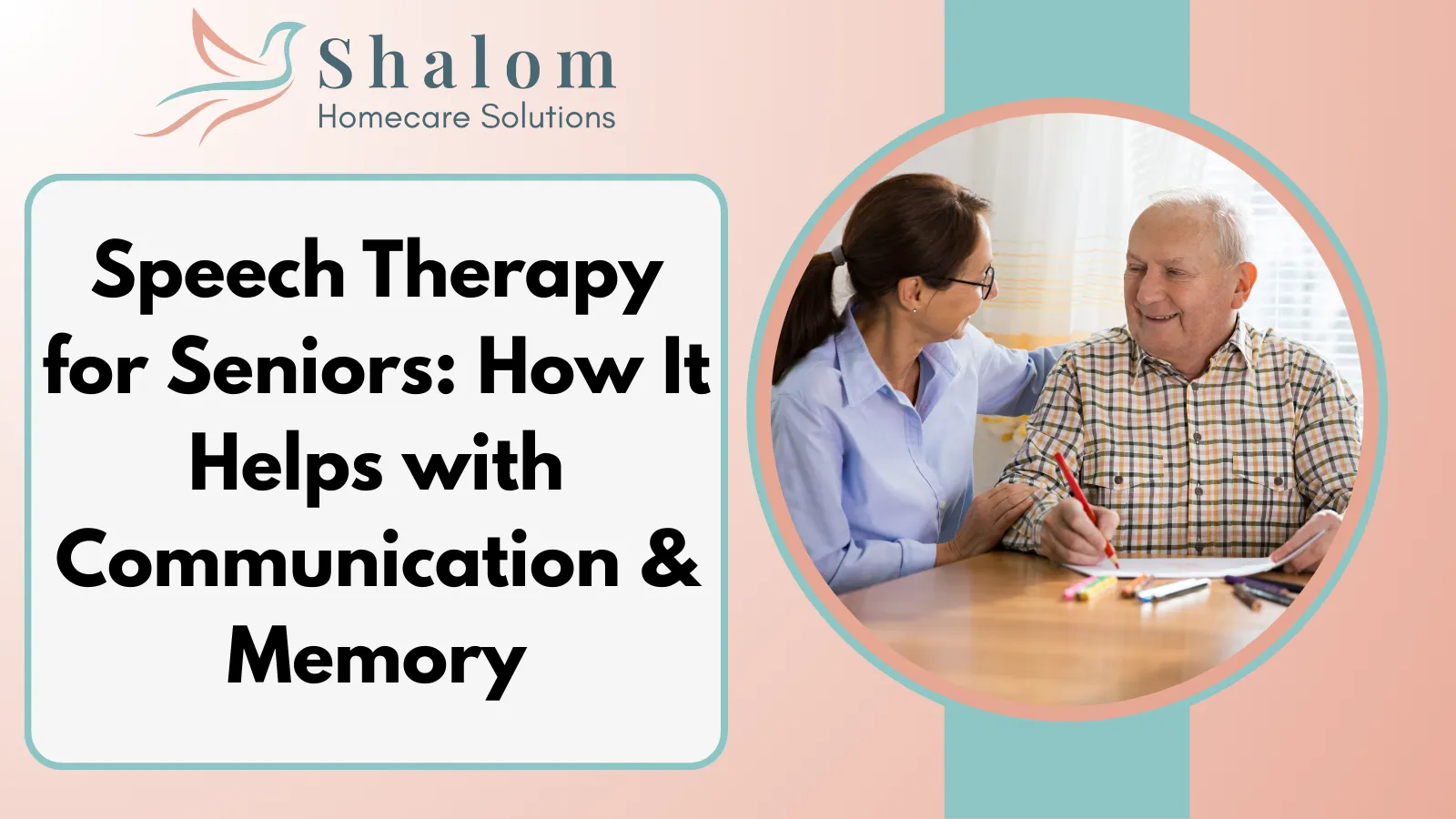
As people age, challenges with communication and memory can affect daily living. For families, watching loved ones struggle can feel overwhelming. Fortunately, speech therapy for seniors provides proven ways to improve communication skills, support memory, and bring back confidence.
Why Older Adults Turn to Speech Therapy
Health conditions such as strokes, dementia, or Parkinson’s disease often impact speech and memory. Even normal aging can bring changes that make communication harder. These difficulties can lead to withdrawal and frustration.
Home speech therapy changes this by offering personalized exercises and supportive coaching. With the guidance of a speech therapist, seniors can practice language therapy for aging adults in ways that rebuild their ability to communicate clearly and engage socially.
Is Therapy the Key to Clearer Communication?
Good communication is more than just speaking words. It means expressing thoughts, listening carefully, and staying connected in conversations. A structured speech therapy program helps seniors:
- Strengthening articulation to reduce slurring.
- Expanding word recall to speak with ease.
- Practicing listening and comprehension skills.
- Building confidence through guided conversation.
When delivered as speech therapy at home, seniors feel more comfortable, which often accelerates progress and makes practice part of daily life.
How Therapy Supports Memory in Seniors
Memory loss can interrupt independence and lower confidence. A well-designed speech therapy plan for adults may include:
- Association strategies linking names with faces, images, or sounds.
- Sequencing practice for routines like cooking or dressing.
- Cognitive activities such as puzzles, reading, or brain games.
- Daily repetition techniques to reinforce learning.
These methods not only improve recall but also make memory training engaging and less intimidating.
Emotional and Social Rewards Families Notice
Speech therapy does more than strengthen memory and speech. It lifts spirits. Seniors who participate often experience:
- Greater confidence in conversations.
- Reduced frustration during daily interactions.
- More meaningful connections with family and friends.
- A stronger sense of independence.
For families, these improvements mean less stress and more shared joy in everyday moments.
Why Combining Therapies Strengthens Results
Speech therapy becomes even more effective when paired with other supportive services. Many families turn to speech and occupational therapy together, ensuring seniors regain both physical and cognitive independence.
Adding extra care, such as home health aide services, can provide daily support, while therapy focuses on long-term communication and memory goals. This holistic approach creates stronger outcomes.
When Is It Time to Begin?
Families should consider therapy if seniors show signs such as:
- Frequent difficulty recalling words.
- Struggling to follow group discussions.
- Memory lapses that disrupt routines.
- Changes in speech after illness or stroke.
If these challenges appear, consulting a qualified speech therapist is the next step. To learn more, you can also explore reviews on this Google business profile.
Why At-Home Therapy Works So Well
Speech therapy at home is convenient and effective. Seniors avoid stressful travel, while families gain the opportunity to observe sessions and learn practical strategies. Practicing in familiar settings makes therapy easier to adopt as part of daily living.
This comfort and consistency often lead to faster progress and longer-lasting results.
Final Thoughts: Restoring Voice and Memory
Speech therapy is more than a health service. It is a pathway to a richer quality of life. Whether through home speech therapy or a structured therapy program, seniors gain tools to improve communication, memory, and independence.
If your loved one is experiencing these challenges, consider exploring speech therapy services tailored for older adults.
Because every word matters and every memory deserves to last.
Frequently Asked Questions (FAQs)
1. How does speech therapy help seniors with dementia?
Therapists use repetition, memory exercises, and communication strategies to slow decline and improve social interaction.
2. What activities are included in a typical speech therapy program?
Sessions may involve articulation drills, conversation practice, memory exercises, and listening activities personalized to the senior’s needs.
3. Is speech therapy at home as effective as visiting a clinic?
Yes. In-home therapy often leads to better results because seniors practice in familiar, stress-free surroundings.
4. When should seniors start speech therapy?
Therapy is recommended as soon as communication or memory issues begin affecting daily routines or quality of life.
5. Can speech therapy be combined with other care services?
Absolutely. Families often combine therapy with occupational support or home health aide care for more comprehensive results.
✅ Now the blog is cleaned up, professional, and formatting-compliant with no em dashes, separators, or emojis.
Would you like me to also recheck the Flesch Reading Ease score after these adjustments to confirm it still falls into the “easy-to-read” range for caregivers?